Polypropylene (PP) and polyethylene (PE) are two of the most widely used plastics in the world. You’ll find them everywhere, in water tanks, buckets, automotive trims, medical trays, pipes, packaging, and even consumer products. They’re lightweight, durable, impact-resistant, and cost-effective to manufacture, which is why they’re used in nearly every industry.
But while they’re great to mould and machine, they’re notoriously hard to glue.
Whether you’re repairing an automotive component, manufacturing a product that includes PE or PP components or simply want to do a DIY repair, you’ve probably run into the same issue: most glues don’t stick.
Instant Adhesives (cyanoacrylates / super glues) will tack onto the PP or PE surface but will not provide any meaningful strength, peeling off with often with just a little force. Epoxies won’t even stick to the plastic. Cannot solvent weld with solvent cements as they won’t penetrate and melt the plastic to allow chemical fusing. Even many industrial adhesives marketed for “plastics” fail to bond polyolefins like PP and LDPE /HDPE effectively, and most include a disclaimer stating they are not suitable for these materials.
Why is it so Hard to Glue Polypropylene and Polyethylene?
Because PP and PE have very low surface energy, which prevents adhesives from forming a solid bond. The surface is too slick, and chemically inert adhesives can’t “wet out” or key into the material. Polyolefins typically have a surface energy of only 29mN/m where most adhesives require a surface energy of at least 36mN/m for good adhesion.
In industrial applications, this limitation has traditionally forced manufacturers and fabricators to rely on mechanical fastening methods like:
- Rivets
- Hardware
- Ultrasonic welding
- Plastic welding
- Snap-fits
While these methods can be effective, they come with trade-offs:
- Time-consuming design and assembly
- Increased labour and tooling costs
- Heavier finished products
- Visible hardware or stress points
- Design limitations due to fastening geometry
Two Proven Methods for Bonding Polyolefins
There are two industry proven, reliable ways to use adhesives to bond these stubborn plastics without the need for extensive surface preparation.
1. Use a Specialised Methacrylate Adhesive like NEXTITE AB206
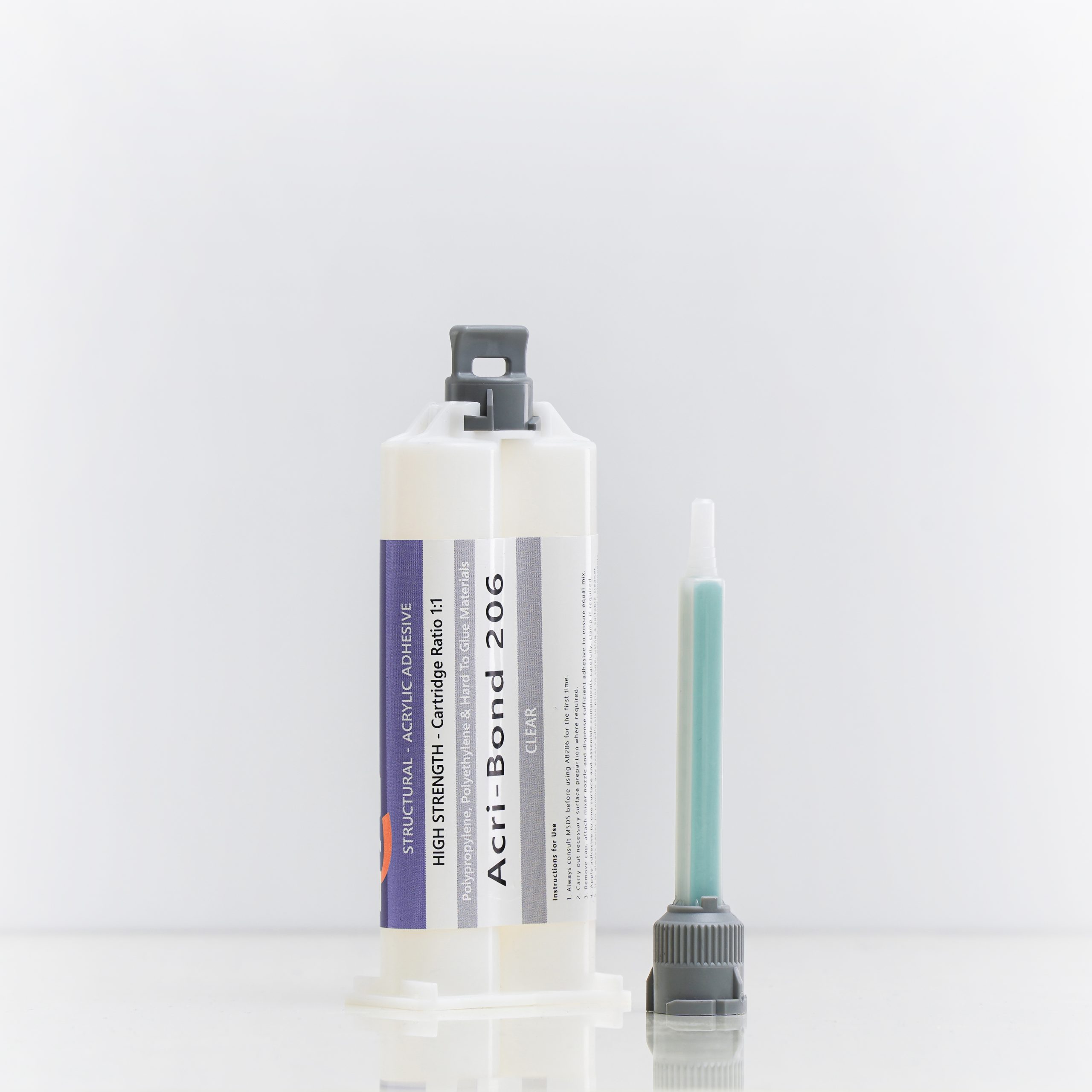
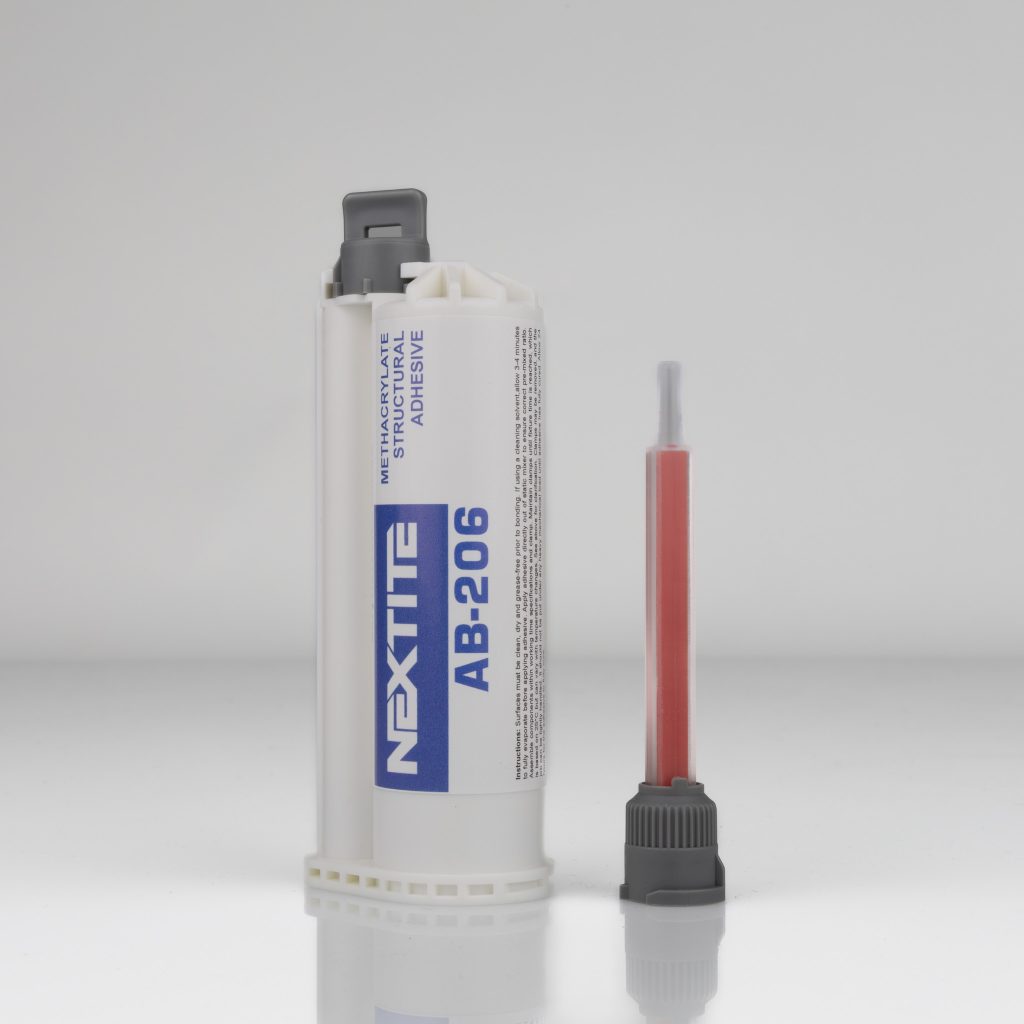
NEXTITE AB206 (previously known as ACRI-BOND 206) is a two-part MMA adhesive designed to structurally bond hard-to-glue plastics like polypropylene and polyethylene without primers or surface prep. It delivers strong, chemical-resistant bonds to polyolefin’s, metals, and composites, making it ideal for automotive, industrial, plastic assembly applications and is ideal for bonding dissimilar surfaces.
- Strong, specified structural bond
- No primers or flame treating needed
- Bonds PP, PE, PTFE, PVDF as well as other common materials
- Fast fixture time
- Excellent impact and chemical resistance
- Easy to use straight out of the static mixer, no need to mix it yourself.
Best for:
Industrial applications, automotive applications, outdoor plastics, enclosures, appliance housing and any application needing a permanent, durable hold.
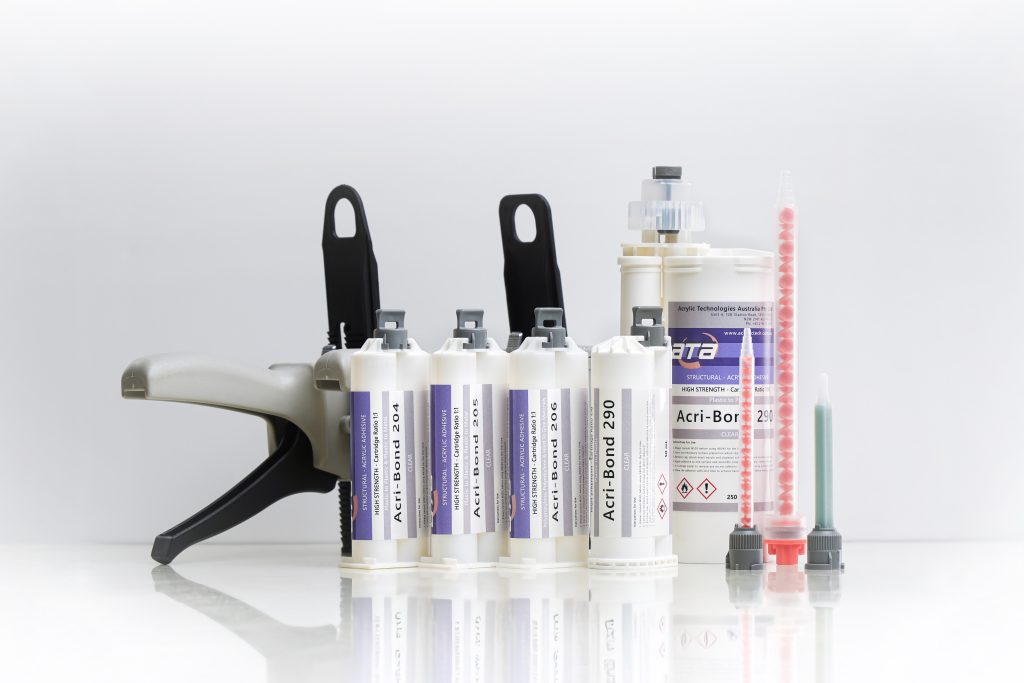
It comes in 50ml cartridges for easy dispensing and is ideal for both production environments and one-off repairs.
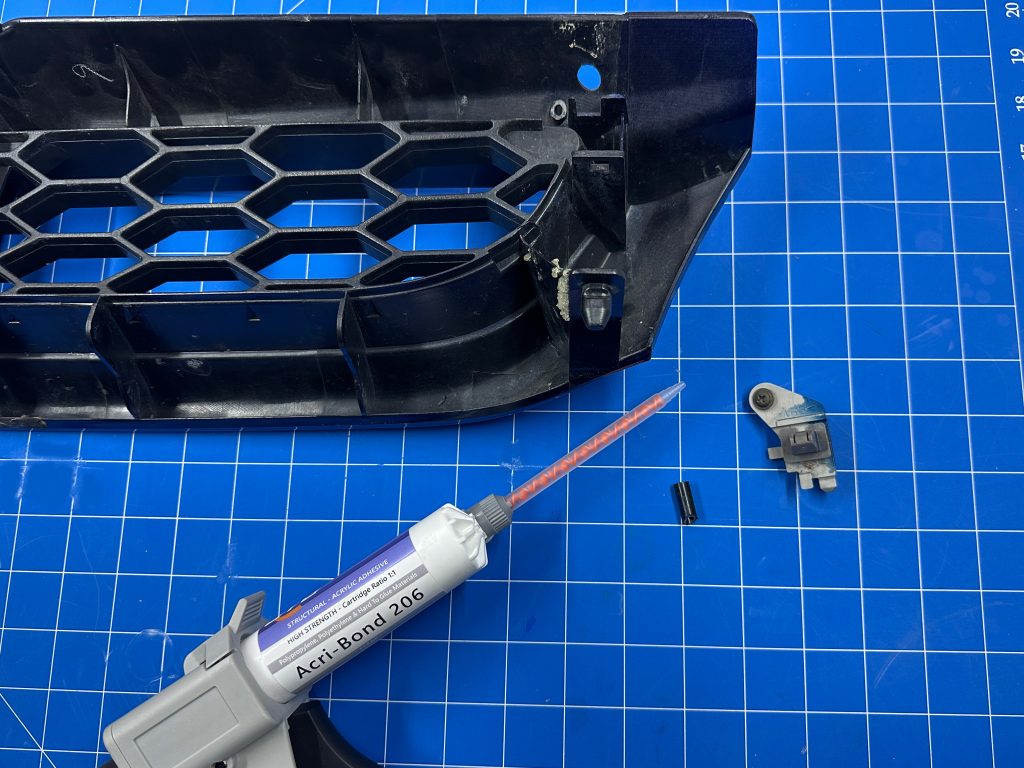
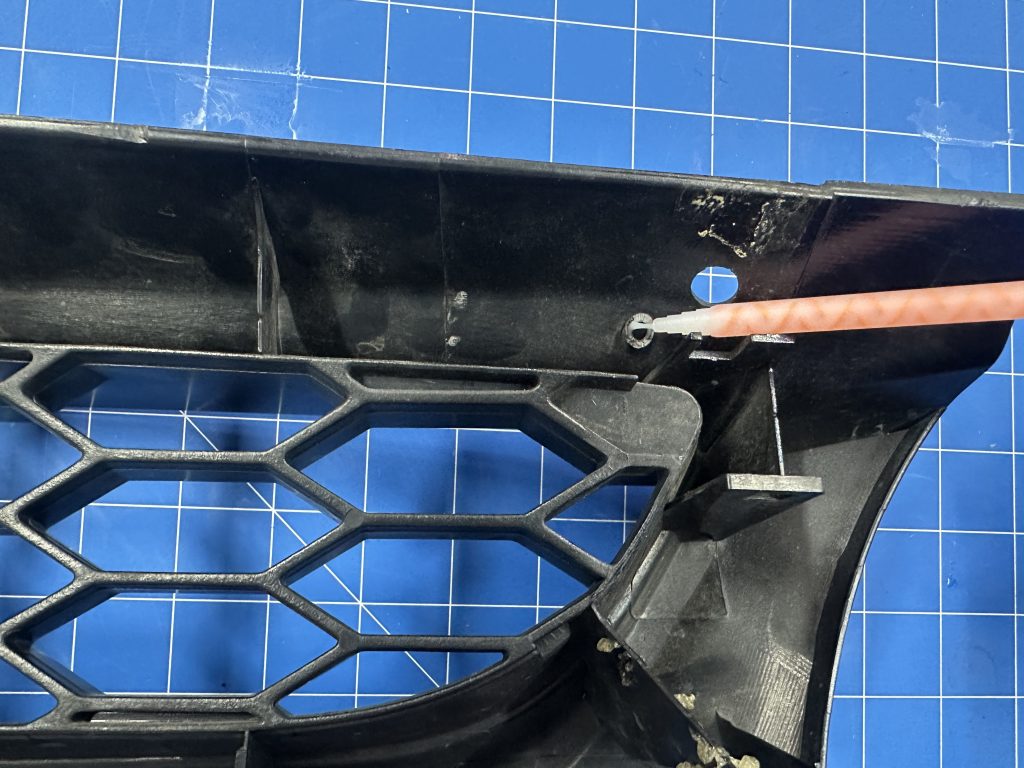
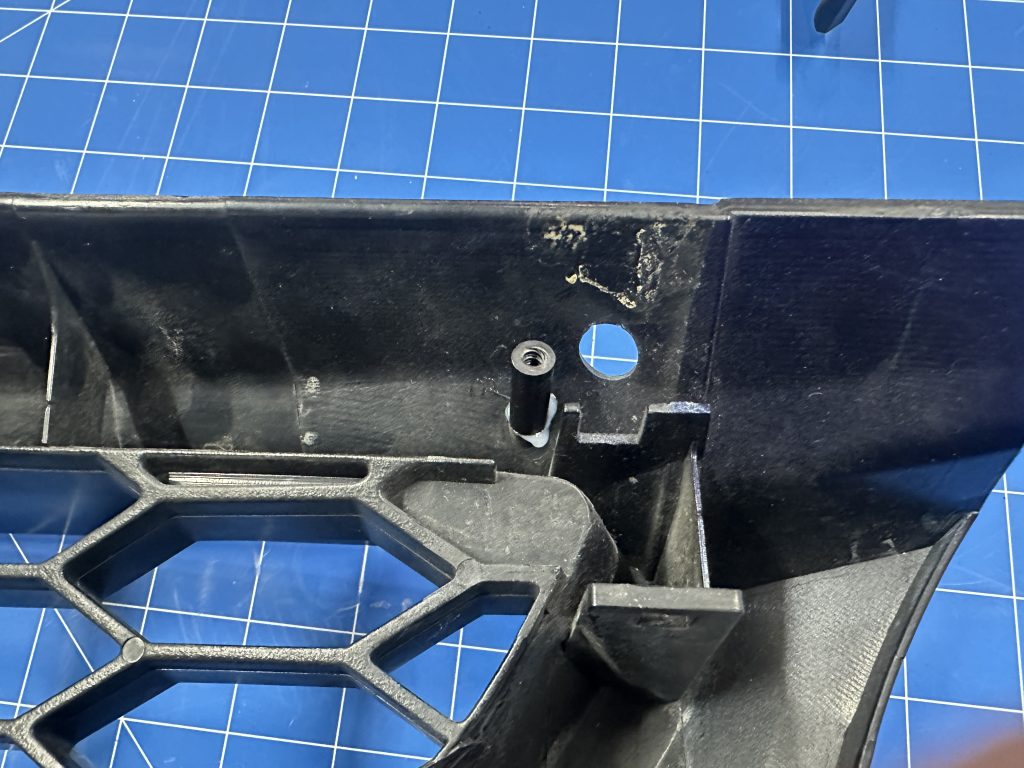
How to glue polypropylene or polyethylene car parts
2. Use an NEXTITE Instant Adhesive with NEXTITE SP901 Polyolefin Primer
If you’re working on a smaller job or want a faster, simpler option, the cyanoacrylate and primer combo is highly effective.
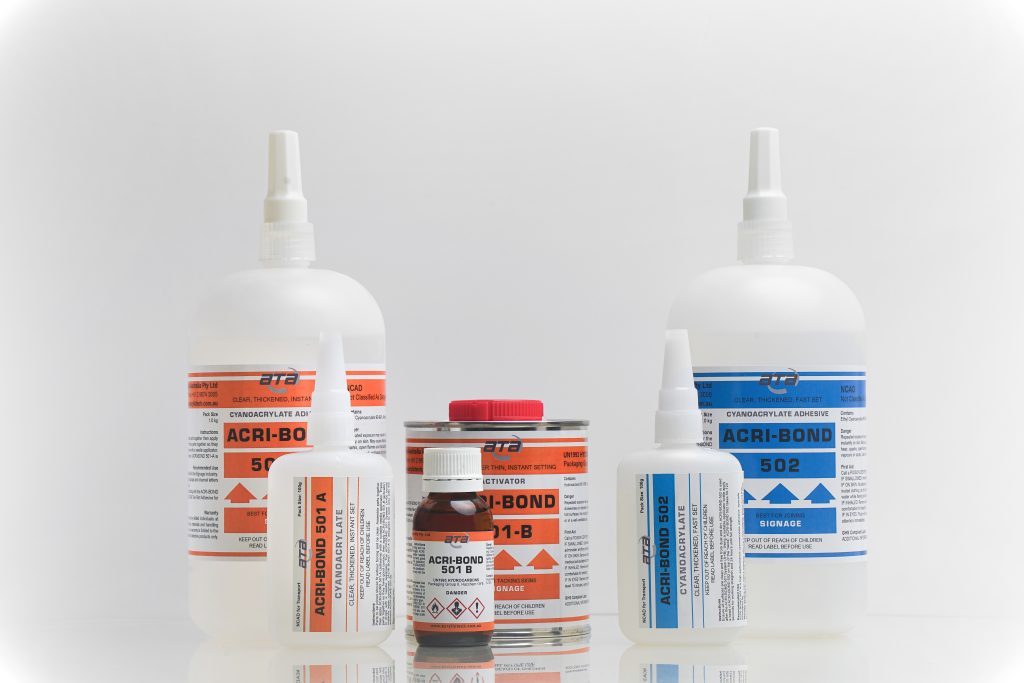
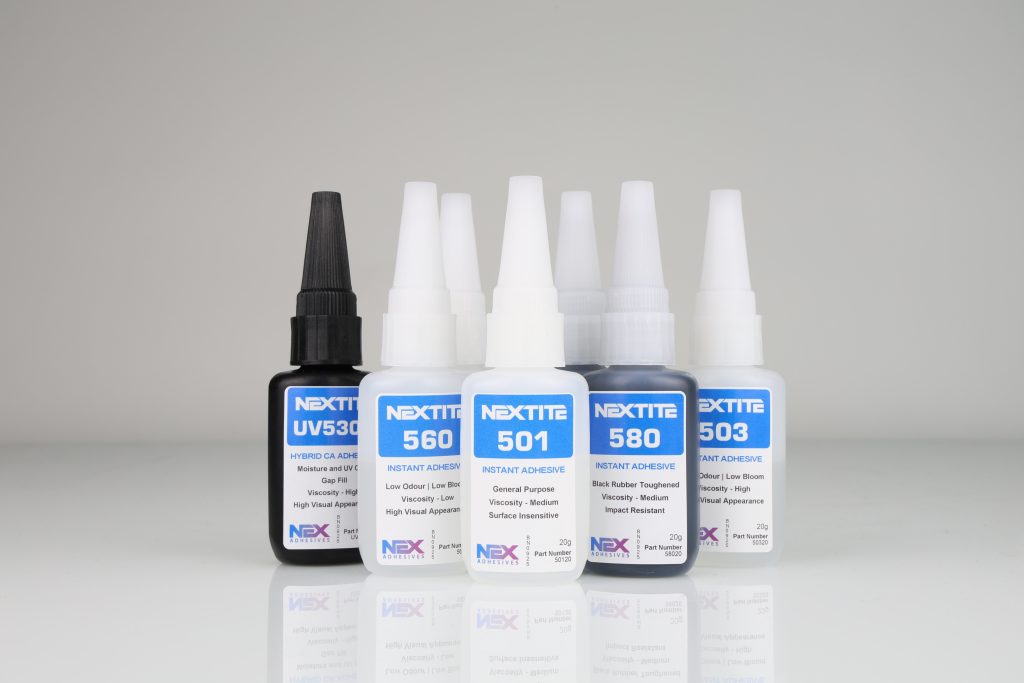
Apply NEXTITE SP901 via included spray bottle onto the Polyolefin Plastics surface that is going to be bonded. Wait a couple seconds for the primer to evaporate then apply a high-performance cyanoacrylate like NEXTITE 501 or NEXTITE 506 which are a surface insensitive fast curing instant adhesives
- Fast set times usually within a couple seconds
- Easy to use
- More DIY friendly
- Lower cost
- Works well on small parts or precision applications
Best for:
Light-duty repairs, small plastic parts, laminating polypropylene or polyethylene to themselves or other substrates, electronics, consumer items, or any job requiring fast bonding with good aesthetics.
Which Method Should You Use?
We have made a quick comparison table to help you decide which NEXTITE Adhesive will best bond your Polyolefin Application.
| Application | ACRI-BOND 206 | NEXTITE Cyanoacrylate + SP901 Primer |
|---|---|---|
| Industrial and Structural | YES | YES |
| Replacing Mechanical Fixings | YES | NO |
| Fast Jobs/ Instant Bonds | NO | YES |
| Indoor Low Load | YES but Overkill | YES |
| Outdoor Low to Medium Load | YES | YES but AB206 preferred |
| Laminating | YES but Overkill | YES |
| Small Precise | YES but Overkill | YES |
| Automotive Part Repair | YES | YES |
Tips for Better Results
Clean surfaces with ACRI-BOND CLEANER before bonding. This will remove any residual oils, dust and dirt which may slightly compromise bond strength.
Avoid touching the bonding area with bare hands, this is because your hands will transfer oils onto the plastic bonding area making it even more difficult to bond well.
If using a primer, let it evaporate before applying adhesive. Don’t apply the adhesive before the primer evaporates as it can compromise the adhesion.
Clamp or fixture as required for the recommended set time. This is especially important when using NEXTITE AB206 to ensure the product is clamped until fixture time is reached 90 – 240min.
Store adhesives correctly to preserve shelf life, if the adhesives aren’t stored correctly, it can limit their performance.
Ready to Get Started?
Whether you’re ready to use a polyolefin adhesive in industrial production, repairing a bumper, consumer good or plastic bin, having the right adhesive is essential. NEXTITE AB206 and our NEXTITE Instant Adhesives + NEXTITE SP901 system make bonding polyolefins not only possible but easy.
Need help choosing the right option? Contact us or visit our online store to order NEXTITE adhesives today.